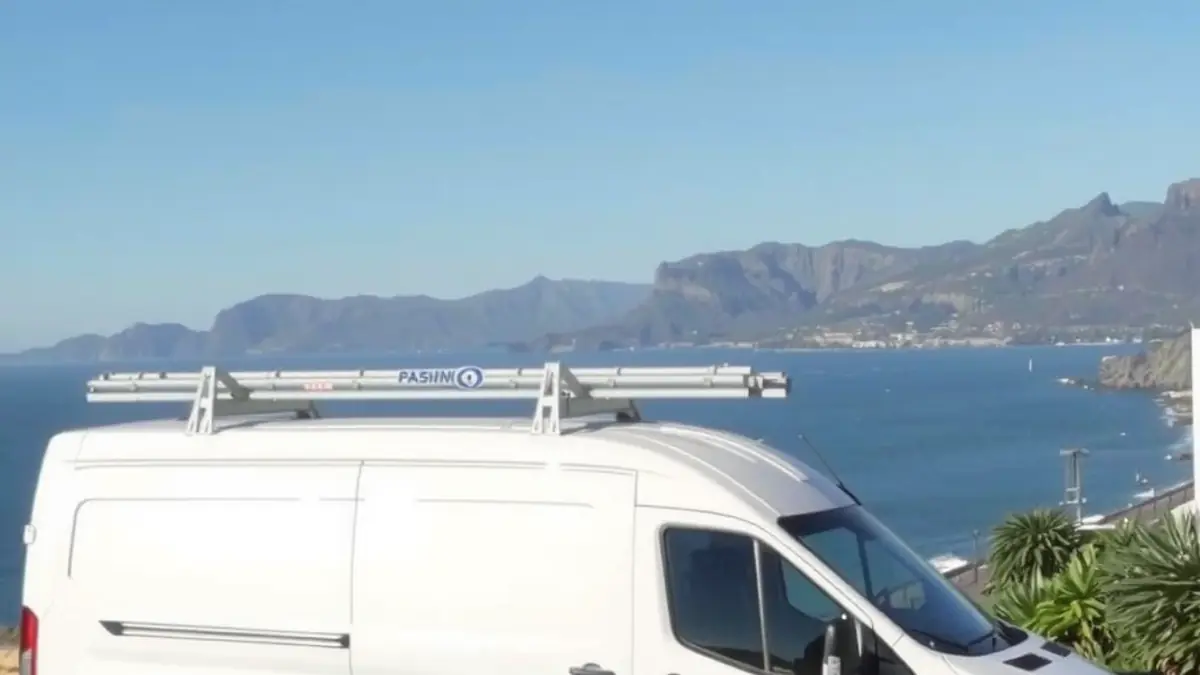
DStv work around Fish Hoek and the Far South is shaped by local geography. Two homes only a few streets apart can have different satellite sight lines, wind exposure and cable-routing challenges. The mountain, the valley and False Bay all influence where equipment can be placed and how well exterior fittings age. A local service-area plan should therefore describe the property conditions, not treat every suburb as identical.
This overview covers Fish Hoek, Kalk Bay, Clovelly, Sun Valley, Glencairn, Muizenberg and nearby Far South communities. It explains the common issues an installer should consider when surveying a new system, tracing a fault or planning connected television, WiFi and security.
Fish Hoek central and the valley
Fish Hoek includes older brick homes, apartments, newer alterations and properties rising toward the slopes. Long internal cable routes can be difficult to conceal, while some rooflines provide a narrow choice of mounting positions. A new DStv installation should begin with line-of-sight and access checks before the first hole is drilled.
The south-easter can funnel through the valley and reveal movement in a weak mount. Signal trouble after strong wind does not always mean the dish needs replacement. Measured dish alignment can establish whether the angle changed, while complete DStv fault finding checks connectors, cable, LNB and decoder behaviour as well.
Kalk Bay and coastal exposure
Kalk Bay properties may combine dense building patterns, older materials and direct exposure to salty air. Mounting decisions should respect the building and minimise unnecessary visual impact. External connectors need protection, cable entry points should be sealed neatly and brackets should be checked for corrosion rather than covered up.
Space can be limited in cottages, flats and mixed-use buildings. Where a common system already exists, communal satellite services are safer than adding equipment without permission. Shops, restaurants and accommodation providers may need a planned commercial DStv installation with protected equipment and work scheduled around trading hours.
Clovelly and sloped properties
Clovelly homes can occupy sloped sites where access and elevation vary significantly. A clear satellite view from one section of the property does not guarantee that the easiest mounting point will work. The installer should balance reception, safe access, cable distance and exposure instead of selecting the highest point by default.
Multi-level layouts also affect connected viewing. An Explora setup should be planned with the household’s recording and connectivity needs in mind. If separate viewing areas are required, XtraView installation needs compatible decoders and a defined cable plan between floors or rooms.
Sun Valley and family home upgrades
Sun Valley households often need systems that serve lounges, bedrooms, studies and outdoor living areas. The project may involve more than a dish. A neat TV mounting service can place screens securely and manage visible leads, while a WiFi network assessment can find coverage gaps caused by distance, masonry and room layout.
Planning both systems together avoids placing a smart television where the network is weak or running new cables twice. For homes adding security, CCTV installation should account for camera views, lighting, recorder placement and secure connectivity. It is often practical to complete the survey as one project and phase the installation according to budget.
Glencairn and exposed sites
Glencairn properties can experience strong coastal weather and varied terrain. Exterior hardware should be selected and fitted for the actual exposure, not merely for calm-day conditions. Regular visual checks can catch loose cable clips, corrosion and damaged seals before they become service interruptions.
Moving into or out of the area also calls for planning. A DStv relocation service should assess which equipment can be removed and reused safely. Leaving an unsafe bracket behind or assuming that a dish position from the old property will suit the new one can create extra cost.
Muizenberg and mixed property types
Muizenberg includes freestanding homes, apartment buildings, heritage structures and busy commercial spaces. Permission and building rules can be as important as signal. Tenants should establish what may be attached to exterior walls, and flat owners should ask whether the building already has a shared distribution system.
Free-to-air television can be useful in homes, rental units and small businesses. Openview installation uses its own compatible setup, while TV aerial installation depends on terrestrial reception at the property. An installer should test and recommend the appropriate route instead of assuming that any old rooftop aerial or cable remains usable.
The wider Far South
The Far South covers a broad range of terrain and building styles. Travel distance, access, weather and equipment availability should be confirmed when booking. Send the exact address area, property type, number of storeys, decoder model and photos of existing equipment. This helps the installer prepare without pretending that photographs replace an on-site survey.
For a standalone home, the priority may be a stable single-room system. A guesthouse may need several screens, dependable WiFi and clear support arrangements. A sectional-title scheme may need common-system maintenance. The correct design follows ownership, usage and infrastructure rather than the suburb name alone.
What to include when requesting service
- Your suburb and a brief description of the property.
- Whether the property is freestanding, rented, sectional title or commercial.
- The decoder model and number of televisions.
- Whether a dish, aerial, network or camera system already exists.
- The symptoms, including whether they began after wind, rain or a power interruption.
- Any access restrictions, body corporate rules or preferred appointment times.
Clear information allows the visit to be planned with suitable parts and time. It also helps distinguish a signal issue from a building distribution fault, a decoder problem or an internet coverage complaint.
Local planning matters more than a postcode
A service map tells you where an installer works, but it cannot replace a property survey. In the Fish Hoek area, mountain sight lines, wind channels, coastal air and older construction all influence the installation. The most reliable approach is to inspect first, explain the options and document the agreed route.
Appointment planning should also reflect access. Some jobs need a resident, trustee, caretaker or shop manager present to open roof hatches, equipment rooms or locked courtyards. Confirm parking, ladder access and working-hour rules in advance. These small details help the technician use the visit productively and reduce the chance of a return trip for access alone.
Frequently asked questions
Which areas can be served from Fish Hoek?
Typical nearby coverage includes Fish Hoek, Kalk Bay, Clovelly, Sun Valley, Glencairn, Muizenberg and other Far South locations. Confirm the exact address and availability when booking.
Does living near the sea affect a DStv installation?
Yes. Salt mist can accelerate corrosion on exposed brackets and connectors. Good installation practice, protected joins and periodic visual checks help reduce avoidable faults.
Why can signal conditions differ between neighbouring streets?
Mountain slopes, buildings, trees and roof orientation can alter the available satellite line of sight. A measured site check is more reliable than copying a neighbour’s dish position.
Can an installer work on a shared system in a block of flats?
Yes, if the scope is authorised and the technician is equipped to test communal distribution. The body corporate or managing agent should approve changes to common property.
What photos are useful before a service visit?
Photograph the dish and bracket, visible cable route, decoder connections, error screen and intended television position. Include a wider view that shows access and the roofline.